
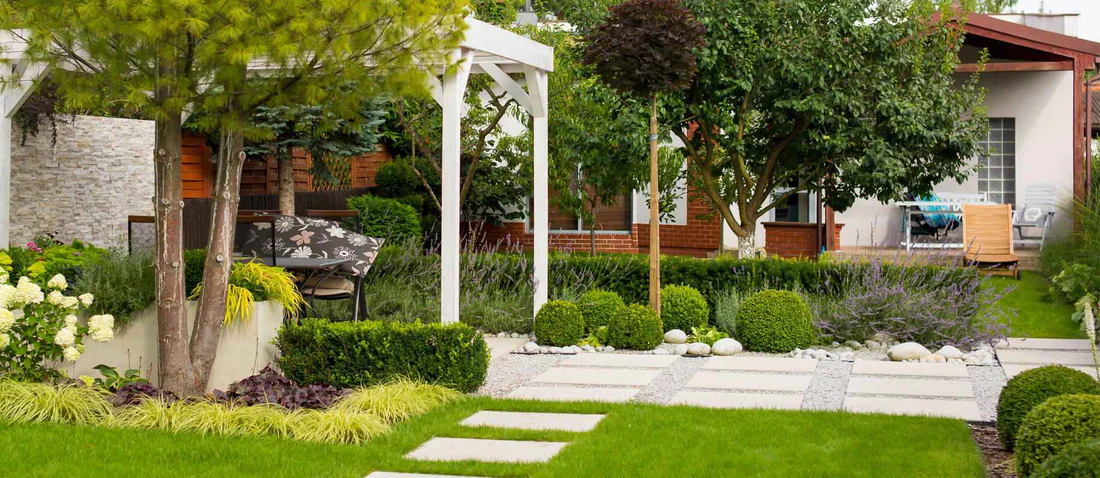
Let’s be honest. Most people don’t dream of spending Saturday morning on their knees pulling weeds. You’ve got other things going on. Work, family, maybe just resting a bit. And yet the garden is there, growing, demanding attention like it always does.
I used to think a “nice garden” meant constant effort. Every weekend, same routine. Mowing, trimming, cleaning. Then I started changing a few small habits. Nothing dramatic. And strangely, the garden started taking care of itself a bit more. If you want a shortcut to professional help when things get out of hand, you can check https://entretienjardin65.fr – I found similar services really helpful when I hit a busy period and couldn’t keep up.
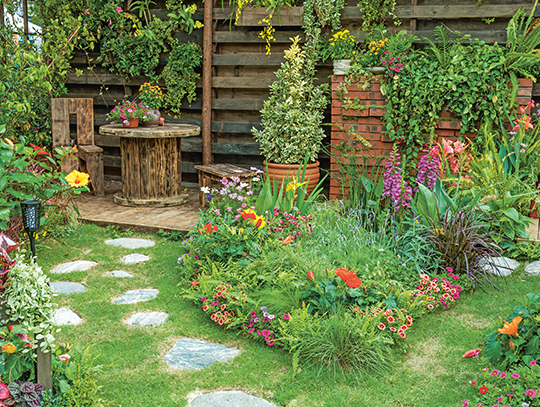
Start with a garden that works with you, not against you
This might sound obvious, but it changes everything. A low-maintenance garden is not “lazy gardening”, it’s smart setup.
For example, I removed a patch of grass that always turned yellow in summer. Honestly, it was more stress than joy. I replaced it with gravel and a few hardy plants. Less mowing instantly. Less watering too. Did it look worse ? Not really. Maybe even cleaner, in a way.
Ask yourself : what part of your garden actually annoys you the most ? That’s usually the first thing to simplify.
Mulch is your best friend (even if nobody talks about it enough)
Mulch is one of those things people hear about but don’t really use. Big mistake.
Spread it around plants, and suddenly weeds slow down. Soil keeps moisture longer. You water less. It’s like putting your garden on “autopilot light mode”.
I remember being surprised the first time I used it properly. After a hot week in July, everything still looked… fine. Not perfect, but fine. And that already felt like a win.
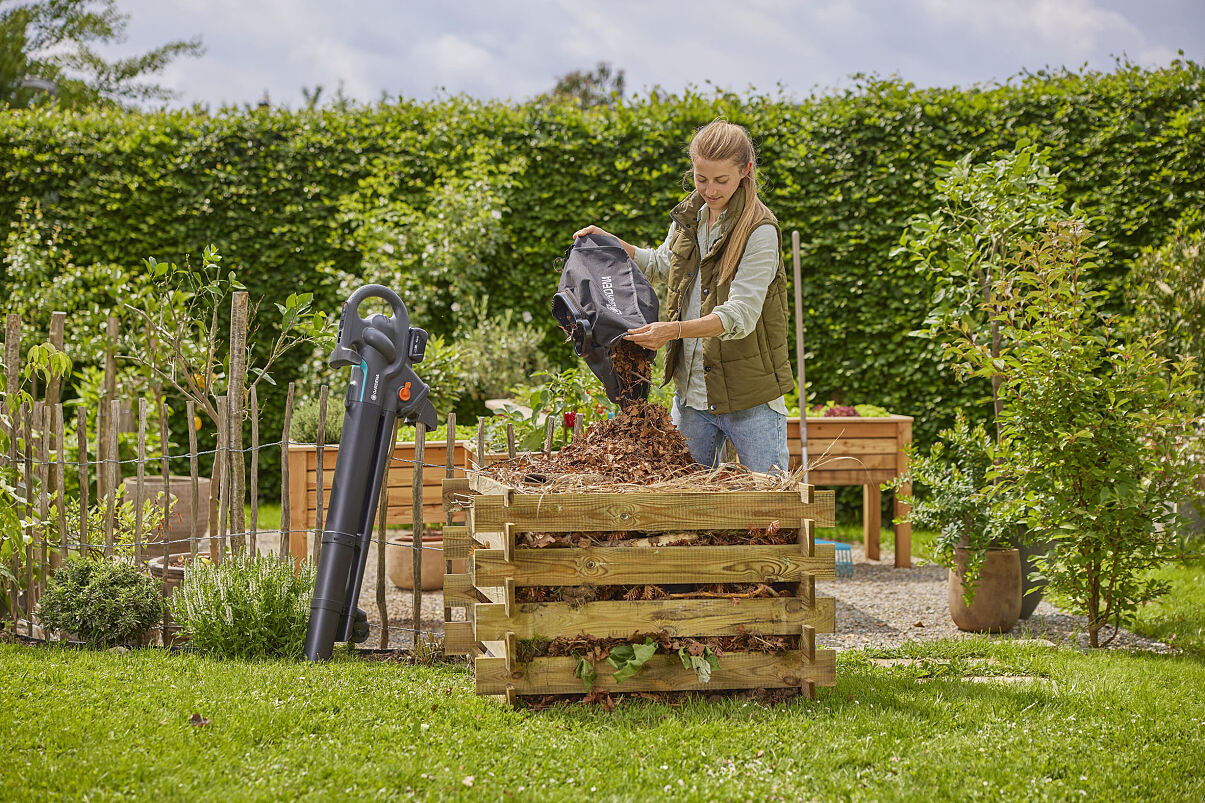
Choose plants that don’t need babysitting
This is where people overcomplicate things. You don’t need rare species or delicate flowers that die if you look at them wrong.
Go for plants that survive on their own. Lavender, rosemary, ornamental grasses. They don’t complain. They don’t need constant attention.
And here’s a question : do you want a garden you admire, or a garden you constantly worry about ?
Watering smarter, not more
Most gardens are overwatered or watered at the wrong time. Early morning or late evening makes a real difference. Less evaporation, more efficiency.
If you’re still dragging a hose around every few days, it might be time to rethink it. Even a basic drip system can cut your workload in half. I know it sounds technical, but it’s actually pretty simple once installed.
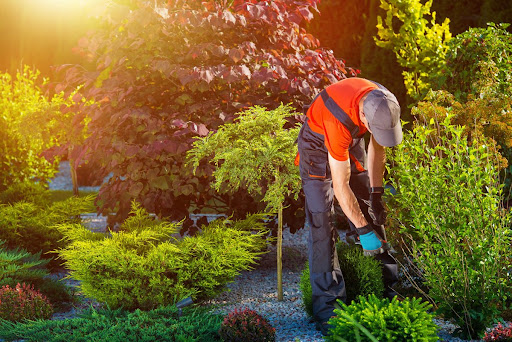
Weeding less often (yes, it’s possible)
Weeds are the biggest time trap in a garden. You think you’re done, then two days later they’re back like nothing happened.
Mulch helps. Dense planting helps even more. Bare soil is basically an invitation for weeds to move in.
One trick I noticed by accident : when plants are closer together, weeds struggle more. Less space, less light. Nature fills the gaps fast, so don’t leave gaps.
Give yourself a “10-minute rule” instead of full weekends
This one changed everything for me. Instead of waiting for a full free Saturday, I started doing short sessions.
Ten minutes of trimming here. Ten minutes of picking up leaves there. It sounds small, almost too small to matter. But over a week, it adds up more than one exhausting session.
And honestly, it feels less like a chore. More like quick maintenance.
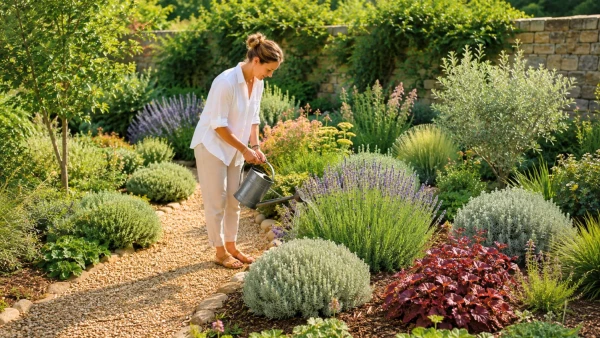
Stop chasing perfection
This might be the most important part. A garden doesn’t need to look like a magazine cover.
Some uneven edges, a few wild corners… it’s normal. Actually, it often looks better that way. More alive.
The moment you stop trying to control every detail, the workload drops massively. And the garden doesn’t suddenly look bad. It just looks… natural.
Final thought
Maintaining a garden without losing your weekends isn’t about doing less “care”. It’s about doing the right things, in a smarter way. Setup matters more than effort. Choices matter more than hours spent.
And once you stop fighting the garden every week, you start enjoying it again. Which, honestly, is kind of the whole point.