
Let’s cut to the chase : if you’re staring at an ageing gas boiler and wondering whether to replace it like-for-like or finally make the jump to a heat pump, the honest question isn’t “which one saves the planet ?” It’s “what does this actually cost me – to buy, and then every month after ?” And the answer surprises a lot of people, because it’s not the one the headlines suggest.
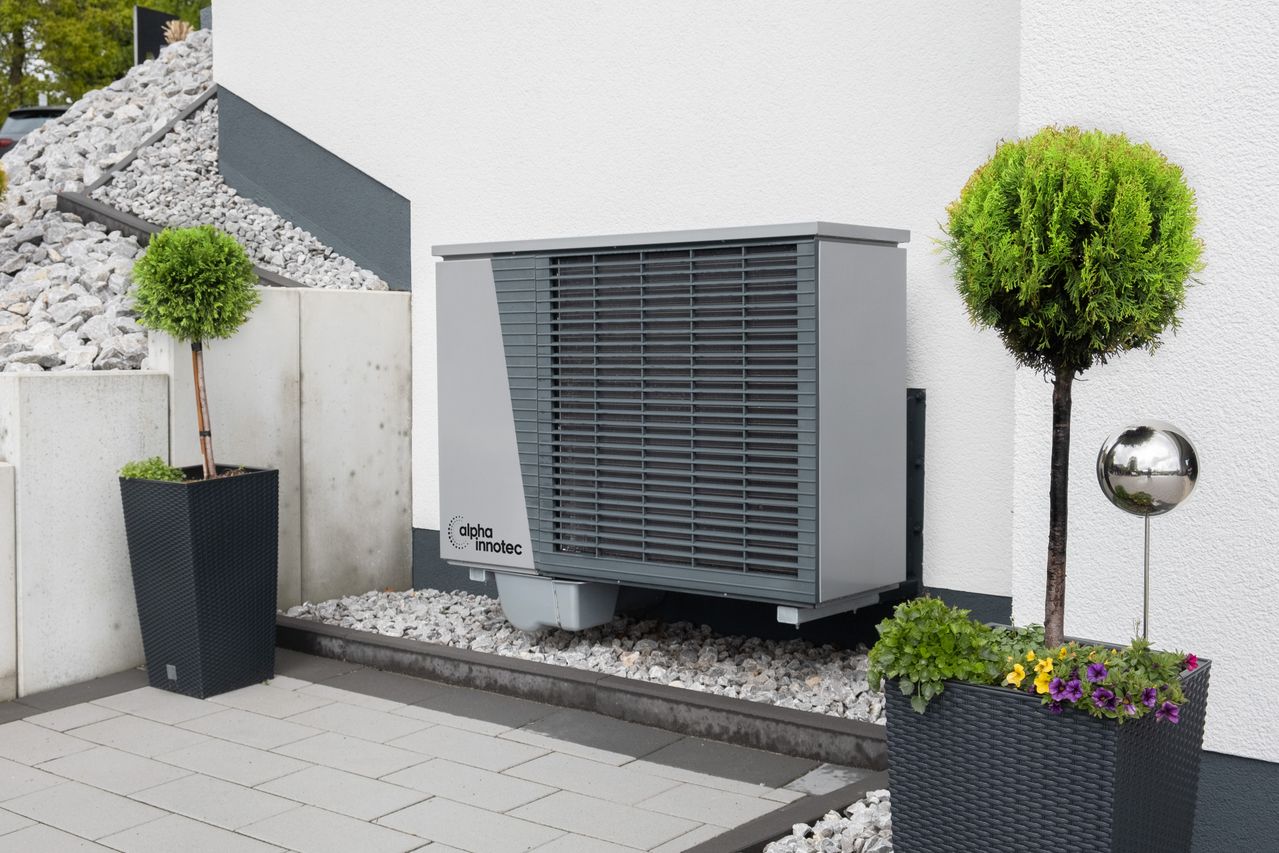
There’s also a bit nobody mentions until the engineer’s standing in your garden with a tape measure. A heat pump isn’t a tidy box tucked in a cupboard – it’s a unit that lives outside, usually bolted to a wall or sat on a slab somewhere near the back of the house. It hums a little, it takes up space, and plenty of people end up rethinking that corner of the patio entirely once it’s in. If you’re the sort who likes to plan your outdoor space properly rather than just surrendering a flowerbed to a grey box, a resource like https://www.jardinerie-actualite.fr is worth a browse before you commit a spot to it.
Right. Now the money.
The upfront gap is real – and the grant changes everything
 Let’s not pretend they cost the same. A straight gas combi swap in 2026 runs you somewhere between £1,800 and £3,500 fully fitted, with most like-for-like jobs landing around £2,300–£2,400. One day’s work, in and out, sorted.
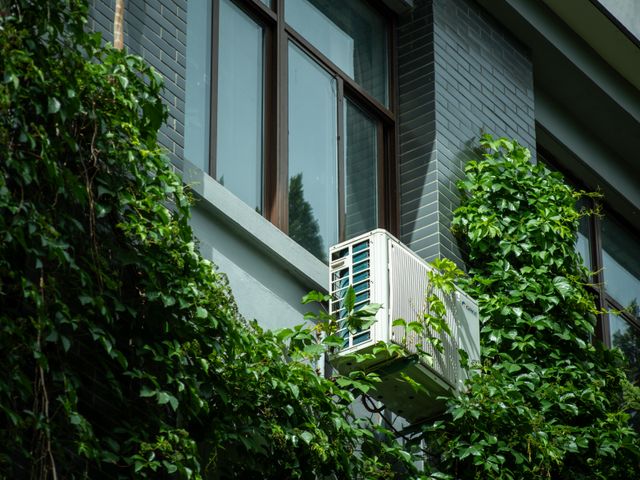
An air source heat pump ? Before any help, you’re looking at roughly £9,000 to £16,000 installed, with most jobs sitting around the £12,000–£14,000 mark. That’s the number that makes people close the tab.
But here’s where it gets interesting. The Boiler Upgrade Scheme knocks £7,500 straight off the bill for an air or ground source heat pump – and you never touch the cash, your MCS-certified installer claims it and deducts it from the invoice. So in practice you’re often paying somewhere between £3,000 and £7,000 out of pocket, and in the cheapest cases as little as around £1,500. The scheme’s funded until at least 2028, and from July 2026 it actually rises to £9,000 for homes coming off oil or LPG. So suddenly the gap isn’t “£2,400 vs £14,000” – it’s “£2,400 vs maybe £5,000.” Closer than you thought, right ?
The part that catches everyone out : running costs aren’t automatically lower
This is the bit I’d want a friend to tell me before I signed anything. Everyone repeats that heat pumps are “three to four times more efficient than a gas boiler.” True. For every unit of electricity, a decent air source unit gives you roughly three units of heat. Sounds like an instant win.
Except electricity is dramatically more expensive than gas per unit. Under the current price cap, gas is about 5.74p per kWh and electricity is around 24.67p per kWh – so electricity costs roughly four times as much. From 1 July 2026 that gap narrows a touch (gas climbing to about 7.3p, electricity to around 26.1p), but it’s still a wide one.
Do the rough sums and something awkward pops out. A gas boiler turns its 5.74p into useful heat at maybe 6–7p per kWh delivered. A heat pump on a standard electricity tariff, running at three-times efficiency, lands closer to 8–9p per kWh of heat. So on a flat-rate tariff, a heat pump can actually cost more to run than the boiler you ripped out. Nobody puts that on the leaflet.
So what’s the trick ? A dedicated heat pump tariff. Something like Octopus Cosy gives you several hours of cheap electricity a day – around 14–15p per kWh in the off-peak windows under the current cap. Push most of your heating into those windows and the maths flips : useful heat drops to roughly 5p per kWh, which finally undercuts gas. Octopus reckons around 80% of their heat pump customers pay less for heating than the average gas bill. The catch is that “around 80%” – it depends entirely on getting onto the right tariff and actually shifting your usage. The technology alone doesn’t save you a penny. The tariff does.
One small bonus : ditch gas entirely and you also lose the daily gas standing charge, about 29p a day, so roughly £100 a year you stop paying just for the privilege of a gas connection.
When a heat pump genuinely makes sense
Perso, I think a heat pump is a strong call when most of these are true for you :
Your home holds heat. This is the big one. Heat pumps run at lower flow temperatures than boilers, so they shine in a well-insulated house – think EPC C or better, decent loft and cavity insulation. A draughty Victorian terrace with single glazing ? It’ll struggle, and you’ll end up disappointed.
You’ve got room for the kit. Space outside for the unit, and ideally somewhere indoors for a hot water cylinder of around 200–250 litres. No airing cupboard to spare and a galley layout can make it fiddly.
You’ll commit to the tariff and a smart schedule. If you’re happy to let the system pre-heat in cheap windows and you’re not fighting it manually every evening, you’ll see the savings. If you want to slam the heating on at 6pm and forget it, less so.
You’re planning to stay put. The upfront cost makes more sense over ten years than over two.
When you should just replace the boiler
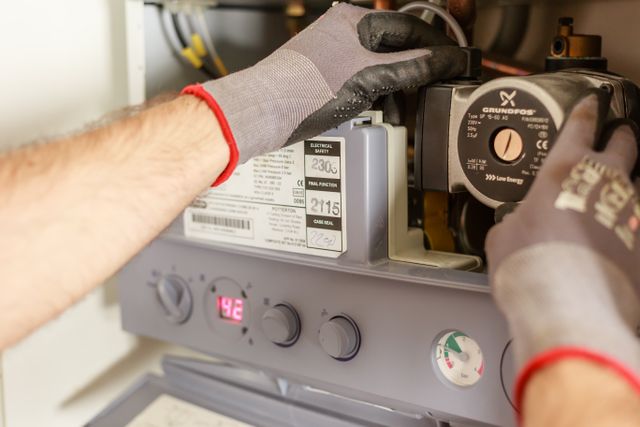 And honestly ? Sometimes a new gas boiler is the sensible, grown-up choice. If your insulation’s poor and you can’t afford to fix it first, if your budget’s genuinely tight right now, if you’ve no space for a cylinder, or if your boiler’s just died in January and you need hot water by tomorrow – a like-for-like combi swap is fast, cheap and proven. A heat pump shoved into a cold, leaky house is a recipe for high bills and regret.
Worth knowing too : you can still fit a new gas boiler in an existing home, today and for the foreseeable future. The Future Homes Standard stops new gas connections in new-build properties, and there’s talk of phasing out new fossil-fuel boilers around 2035 – but that’s not a hard, legislated ban on replacements yet. You’re not being forced off gas next year. Don’t let anyone scare you into a panic purchase.
So what’s the actual calculation ?
Forget the slogans and run your own numbers. Roughly :
Upfront : heat pump after grant (call it £3,000–£7,000) minus what a new boiler would’ve cost you (~£2,400). That’s your real extra outlay – often a few thousand, not ten.
Monthly : be brutally honest about whether you’ll get onto a heat pump tariff and shift your usage. On the right tariff, in a decent home, you’ll likely save. On a standard tariff in a leaky one, you might not.
Then divide. Extra upfront cost ÷ annual saving = your payback in years. If that number’s under ten and you’re staying in the house, it’s a decent bet. If it’s twenty, or you’re moving in three years, maybe wait.
The thing I’d leave you with : a heat pump is a genuinely good piece of kit, but it’s not a magic money-saver you can buy and ignore. It rewards the people who do their homework – insulation, tariff, sizing – and quietly punishes the ones who don’t. Get those three right and it’s a smart move. Get them wrong and you’d have been better off with the boiler. Which camp are you in ?